
Germany has announced a new compliance framework that will introduce tighter inspections, enhanced documentation requirements, and stricter tax verification for all e-commerce parcels entering Germany from China, beginning March 2025.
This marks one of the most significant regulatory shifts in Germany–China cross-border trade in recent years.
Germany Tightens Controls on Chinese Parcels
According to the German Federal Customs Authority (Zoll), every China-origin parcel will now be subject to:
- More detailed customs declarations
- Enhanced product compliance checks
- Valuation verification to prevent under-declared goods
- Randomized physical inspections across high-risk categories
The previous fast-track clearance model,largely relying on electronic pre-declarations,will be phased out.
Industries such as consumer electronics, tools, beauty supplies, household accessories, and low-value fast-moving goods are expected to face the most scrutiny.
Customs officials have stated that the updated framework aims to improve product safety and reduce tax leakage associated with small-parcel imports.
Impact on Cross-Border Sellers
These changes introduce new challenges for exporters in China, especially small and mid-sized brands:
- Longer customs clearance times during the transition
- Higher documentation and compliance costs
- Increased risk of shipment holds due to incomplete or inaccurate declarations
- Pressure on low-margin businesses as operational overhead rises
- Greater need for clear HS coding, accurate valuations, and compliant product labeling
Data from the EU Commission indicates that over 70% of small parcels imported into Europe in 2024 originated from China, highlighting the scale of impact expected from Germany’s new policy.
Why Germany Is Implementing This Policy
German authorities have stated that the enhanced compliance measures are designed to:
- Protect consumers from unsafe or non-compliant products
- Reduce losses caused by undervaluation and tax evasion
- Improve fairness for domestic retailers
- Increase transparency in cross-border parcel flows
Government analysts estimate that Germany loses over €9 billion annually due to improper declarations and low-value parcel exemptions.
Industry Reactions and Concerns
The new framework has generated discussion across Europe’s logistics sector.
Key concerns include:
- Temporary congestion in German customs hubs
- Increased costs for importers and exporters
- Slower last-mile delivery performance during rollout
- Possible impact on Germany–China e-commerce trade volume
- Price increases that may affect consumer behavior
While the move is intended to curb non-compliant imports, many exporters fear rising operational complexity.
How Exporters Can Prepare
Industry experts recommend proactive steps:
- Ensuring accurate HS codes and valuation on all documentation
- Using compliant packaging, labeling, and CE-mark requirements
- Considering advance tax registration via OSS (One-Stop Shop)
- Leveraging local German warehouses to bypass parcel-level checks
- Working with freight partners who provide full compliance and DDP support
By preparing early, exporters can minimize disruption during the policy transition.
AFL’s Support for Sellers Shipping to Germany
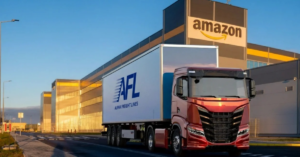
As Germany enforces stronger compliance protocols, Alpha Freight Lines is helping businesses maintain smooth operations through:
- Fully compliant DDP freight solutions from China to Germany
- End-to-end customs handling and documentation support
- Proactive monitoring of policy changes and clearance trends
- Competitive, transparent pricing with no hidden fees
- Dedicated logistics managers overseeing every shipment
- Free Amazon inventory reimbursement service and inbound performance management
Our goal is to empower sellers with reliable, compliant, and cost-effective logistics during a shifting regulatory environment.
Conclusion
Germany’s 2025 compliance overhaul signals a decisive shift in cross-border parcel regulation.
With stricter documentation rules, heightened customs inspections, and greater enforcement against undervaluation, exporters must adapt quickly to protect margin and maintain delivery performance.
In this evolving landscape, partnering with an experienced and compliance-focused logistics provider is essential.
AFL remains committed to supporting global sellers with transparent, reliable, and fully compliant freight solutions from China to Germany.


One Response
4playbr, sounds interesting! Maybe I’ll give it a shot tonight – if I’m feeling lucky, who knows what might happen? My next stop: 4playbr