
Introduction
Global trade and logistics continue to face unprecedented volatility: geopolitics, climate change, labour shortages and consumer expectations are reshaping supply chains. Maersk’s “Logistics Trend Map 2025” summarises the top trends identified through surveys of logistics decision makers worldwide maersk.com. For AFL and its partners, understanding these trends helps in strategic planning and investment. This article breaks down the most significant global logistics trends for 2025 and how they impact freight forwarding.
Supply Chain Visibility & Internet of Things (IoT)
Supply chain visibility remains the top priority for 2025 maersk.com. Customers demand to know where their goods are and whether they comply with regulations. IoT devices, smart sensors and trackers, provide real‑time data on location, temperature and status. When integrated with AFL’s TMS, this data allows:
- Live tracking dashboards that update customers on shipment progress and estimated arrival times.
- Proactive notifications for delays, customs holds or route changes.
- Condition monitoring for perishable or sensitive cargo.
- Investing in IoT and data analytics helps AFL offer industry‑leading visibility and customer service.
Supply Chain Diversification & Financial Resilience
Disruptions such as the COVID‑19 pandemic, geopolitical conflicts and extreme weather events have shown the fragility of global supply chains. Maersk identifies supply chain diversification and financial resilience as key trends maersk.com. Companies are:
- Diversifying sourcing and manufacturing to reduce reliance on a single country or supplier. Nearshoring and friendshoring are gaining traction as businesses look for shorter, more resilient supply chains.
- Building financial resilience through better working‑capital management and flexible contracts with logistics providers, ensuring cash flow during supply shocks maersk.com.
AFL helps customers diversify their logistics strategies by offering flexible routes (e.g., China–USA, China–EU, China–Australia) and cross‑border services across North America. Financing options and transparent pricing further support cash‑flow planning.
Digital Transformation & Cybersecurity
“Digital transformation” encompasses technologies such as AI, blockchain and cloud computing that are transforming logistics operations. While digital adoption improves efficiency, it also increases cybersecurity risks. Maersk lists cybersecurity among the top ten logistics trends maersk.com. Companies must:
- Invest in secure IT infrastructure and regular penetration testing.
- Train staff in cyber‑hygiene and incident response.
- Maintain compliance with privacy regulations such as GDPR and CCPA.
AFL uses encrypted platforms and invests in continuous security audits to ensure client data and transactions remain secure.
Last‑Mile Delivery Innovations & E‑Commerce Growth
The explosion of e‑commerce drives demand for faster, more flexible last‑mile delivery. Maersk identifies last‑mile delivery innovations and e‑commerce as major trends maersk.com. For freight forwarders:
- Micro‑fulfilment centres and regional warehouses reduce delivery times and costs.
- Crowdsourced delivery and gig‑economy drivers offer flexible capacity, especially during peak seasons.
- Drones and autonomous delivery robots enable same‑day deliveries in dense urban areas.
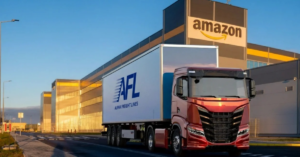
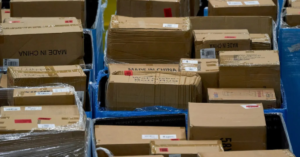
AFL supports e‑commerce clients, including Amazon FBA sellers, by offering flexible last‑mile solutions, such as cross‑docking, FBA prep services and partnerships with last‑mile carriers.
Circular Economy & Sustainability
Sustainability goes beyond reducing carbon emissions; it involves designing supply chains with circularity in mind, reusing materials and reducing waste. Maersk lists circular economy as a top trend maersk.com. Logistics companies must:
- Invest in green transport (electric vehicles, biofuels) and optimise routes to cut emissions.
- Support reverse logistics for returned goods and recycling programs.
- Track carbon footprints and report emissions to customers and regulators.
AFL invests in sustainable trucking and air freight options and partners with customers to design eco‑friendly packaging and consolidation strategies.
Artificial Intelligence & Data Analytics
AI appears in Maersk’s top trendsmaersk.com and is also explored in depth in the nVision report corporate.nvisionglobal.com. AI helps companies forecast demand, optimise routes, manage risk and even predict maintenance for fleet vehicles. AFL’s data analysts use AI to recommend the most efficient shipping modes and monitor trends affecting cross‑border e‑commerce.
Conclusion
The logistics industry’s future is shaped by interconnected trends: visibility, diversification, digital transformation, last‑mile innovation, sustainability and AI. By understanding these dynamics and investing strategically, AFL ensures that its global freight services remain resilient and responsive to customer needs.




3 Responses
Heard some whispers about lebullmx Anyone used them before Im looking for a new place to potentially win some cash What are your experiences lebullmx
Okay, jljl777, not gonna lie, had some lucky spins here. Give it a whirl, you might just strike gold jljl777!
I have played around with so many clones out there and this one actually stands tall above the crowd. Cashout requests zip through like lightning and the dashboard gives me total peace of mind. It treats its regulars like family instead of just another ticket number. bigbigcashapk