
Introduction
The logistics sector is on the cusp of a digital revolution. In 2025, the technologies that once seemed futuristic artificial intelligence, blockchain, autonomous vehicles and advanced transportation management systems (TMS) are moving from pilot projects to mainstream adoption. For freight forwarders and e‑commerce sellers, harnessing these innovations is essential to maintain speed, efficiency and transparency. This article explores the technologies that will reshape logistics and explains how AFL is embracing them.
AI‑Driven Logistics
Artificial intelligence already plays a role in route planning and demand forecasting. By 2025, AI will be embedded across every logistics function. According to nVision Global, AI will drive smarter logistics by using predictive analytics to forecast demand and identify disruptions, optimise routes in real time and automate decision‑making corporate.nvisionglobal.com. For AFL clients, this means:
- Better demand forecasting and inventory planning. AI can analyse historical sales and supply data to forecast when to reorder inventory and how much safety stock to hold, reducing both stock‑outs and excess storage.
- Dynamic route optimisation. AI‑powered algorithms adjust shipping routes as conditions change, weather, traffic, congestion or port delays, to reduce transit times and fuel consumption corporate.nvisionglobal.com.
- Automated decision‑support. AI tools will recommend the best carrier, mode (air, sea or express) and service level by balancing cost, delivery speed and sustainability goals.
Blockchain for Transparency & Trust
Trust is crucial in global freight forwarding. Blockchain technology creates immutable transaction records, providing end‑to‑end visibility and tamper‑proof documentation corporate.nvisionglobal.com. In 2025:
- Real‑time tracking. Blockchain will link shipment data with IoT sensors, allowing customers to see exact locations and conditions (temperature, humidity) from pickup to delivery corporate.nvisionglobal.com.
- Reduced fraud and errors. Each transaction recorded on the blockchain is verified by multiple parties. This reduces the risk of double billing, false documents and cargo theft.
- Compliance and auditing. Blockchain’s transparent audit trail simplifies regulatory compliance, making customs clearance and cargo claims faster and more accurate.
AFL invests in blockchain‑enabled systems to give customers complete visibility over their freight movements. This transparency builds trust with partners and simplifies dispute resolution.
Autonomous Vehicles & Drones
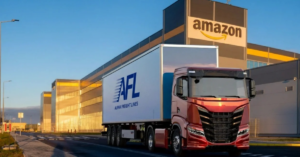
Autonomous vehicles (AVs) and drones are moving from prototypes to operational tools. nVision’s analysis notes that autonomous trucks will streamline long‑haul trucking and drones will improve last‑mile delivery, especially in rural areas corporate.nvisionglobal.com. AFL sees several applications:
- Autonomous trucks for long routes. Semi‑autonomous freight trucks can handle highway driving with minimal human intervention, allowing drivers to focus on more complex tasks like loading/unloading and navigating tight urban areas.
- Drones for last‑mile fulfilment. Drones can deliver small packages over short distances, helping e‑commerce sellers meet consumer demand for same‑day shipping.
- Safety improvements. Autonomous systems reduce human‑error accidents and enable continuous 24‑hour operations corporate.nvisionglobal.com.
While regulatory hurdles remain, AFL works with technology partners to pilot autonomous delivery where laws permit.
Next‑Generation TMS & IoT Integration
Transportation management systems will evolve into smart platforms that integrate with ERPs, warehouse management systems and freight audit solutions corporate.nvisionglobal.com. Features that will be indispensable in 2025 include:
- Real‑time tracking and shipment status updates corporate.nvisionglobal.com.
- AI‑powered load planning and carrier selection corporate.nvisionglobal.com.
- Seamless integration with customs documentation and compliance systems.
IoT devices complement TMS by providing granular shipment data. Smart sensors monitor temperature, humidity and location; fleet trackers allow operators to see vehicle performance and predict maintenance needscorporate.nvisionglobal.com. At AFL, IoT data feeds into the TMS, triggering automated alerts if goods deviate from temperature thresholds or if a vehicle requires service.
Data‑Driven Decision‑Making & Cybersecurity
Advanced analytics transform data into actionable insights. Logistics companies will use analytics to identify trends and cost‑saving opportunities, mitigate risks and enhance customer experiencecorporate.nvisionglobal.com. For AFL clients, this means transparency in how shipping rates are calculated and predictive models that recommend the best shipping windows.
However, digitisation brings cybersecurity risk. nVision warns that companies must secure data and systems from cyberattacks and protect customer information with advanced encryptioncorporate.nvisionglobal.com. AFL prioritises cybersecurity by investing in encryption, multi‑factor authentication and continuous monitoring. Customers can trust that their shipment data and financial information remain secure.
Conclusion
AI, blockchain, autonomous vehicles, advanced TMS and IoT will reshape the logistics landscape in 2025. These technologies deliver predictive intelligence, transparency, speed and security, all critical for freight forwarders and e‑commerce sellers. By embracing digital transformation and investing in cybersecurity, AFL ensures that its clients benefit from cutting‑edge logistics solutions that reduce costs, improve delivery times and enhance trust.





3 Responses
Stumbled across 95vn earlier. They’ve got some interesting niche games. Takes a bit to get used to the interface, but overall, alright. If you’re bored of the usual, give them a bash. 95vn
I was searching for a reliable gaming destination and this one exceeded my expectations completely. The interface is clean, games run without any lag, and rewards come through exactly as promised. It is rare to find such a balanced and player friendly environment online. bdjoya11
BJ38ai? That name seems kinda random. Wonder what kind of games they got? Maybe I’ll give it a peek after I’ve finished my coffee LOL. bj38ai