
UPS announced that it will implement a 5.9% average General Rate Increase (GRI) across its Ground, Air, and International services beginning December 22. The announcement marks the third consecutive year that UPS has adopted a 5.9% adjustment, though this year’s implementation date falls earlier than the usual post–peak-season cycle.
In addition to core transportation rates, UPS will raise select surcharges, continuing an industry-wide trend of higher fees tied to handling, residential delivery, and remote area service. FedEx is expected to follow suit, with a parallel 5.9% increase scheduled for January.
What’s Changing?
Average Rate Increase
- 5.9% GRI across UPS Ground, Air, and International.
Surcharges Increasing
- Residential delivery
- Additional handling
- Large/oversize package fees
- Remote area delivery surcharges
These adjustments will raise total parcel costs for many shippers more than the base 5.9% figure suggests, especially for bulky or non-conveyable items.
Contract-Level Impact
Real-world impact will vary depending on:
- Service mix (Ground vs. Air)
- Zone distribution
- Dimensional weight profiles
- Minimum charge tables
- Negotiated rebates and tier structures
Shippers should review their agreements carefully to determine the true cost lift.
Why UPS Is Raising Prices
UPS cites several key factors driving the increase:
- Continued investment in network capacity, hubs, and aircraft
- Rising labor and operational costs
- Fuel price volatility
- Higher last-mile complexity driven by e-commerce growth
FedEx’s matching 5.9% GRI highlights the broader alignment of pricing strategies among major parcel carriers. The industry has largely normalized the heightened surcharges introduced during COVID-era demand surges.
What Shippers Should Do Right Now
1. Reprice Historical Shipments
Audit your last 3–6 months of parcel data under the new tariffs:
- By service
- By zone
- By weight vs. DIM
- By surcharge category
This reveals where the actual hits will occur.
2. Reduce DIM Weight Exposure
- Improve carton right-sizing
- Change void-fill methods
- Use optimized packaging to avoid Additional Handling triggers
Small packaging changes can significantly offset the GRI.
3. Recalibrate Service Mix
Shift non-urgent shipments from Air or premium Ground to:
- Deferred
- Economy
- Regional carriers
Ensure transit times still meet customer expectations.
4. Consolidate Strategically
- Multi-line consolidation
- Ship-to-store
- Regional forward stocking locations
These reduce residential and stop-density surcharges.
5. Strengthen Negotiations
Target relief around:
- Surcharge caps
- Minimum charge floors
- Dimensional divisors
- Rebate tiers
Benchmark against alternative carriers where possible.
6. Improve International Compliance
For cross-border flows:
- Standardize HS codes
- Use correct customs values
- Consider DDP when landed-cost control outweighs additional fees
- Audit returns and reverse logistics costs
Total landed cost often exceeds the freight adjustment itself.
Implications for E-Commerce & Marketplace Sellers
Customer Promise & Checkout
Update:
- Delivery estimates
- Shipping tables
- Free-shipping thresholds
before December 22 to prevent margin erosion.
FBA & 3PL Coordination
Align replenishment plans to avoid:
- Last-minute air shipments
- Unexpected surcharges
- Q4 overflow penalties
SKU & Channel Strategy
Heavy, long, or bulky items will absorb the largest surcharge increases.
Evaluate:
- Channel selection
- Pre-packed kits
- Assortment restructuring
- Dimensional optimization
Data Accuracy
Ensure:
- Correct item weights
- Correct dimensions
- Updated WMS and cart data
This reduces overcharges and dispute cycles.
Bottom Line for 2025 Planning
The synchronized 5.9% GRI from both major integrators signals continued firmness in parcel pricing. Rate increases are no longer anomalies,they are annual planning milestones. Shippers who adapt proactively will manage costs more effectively and preserve service quality.
Success hinges on:
- Cleaner cost models
- DIM and packaging reduction
- Smarter service-level alignment
- Stronger contract negotiation
- Diversified carrier strategies
- Upstream optimization from Asia or origin markets
How AFL Helps Businesses Stay Cost-Efficient Amid Rising Parcel Rates
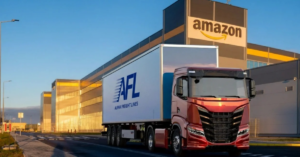
As parcel carriers raise rates and surcharges, Alpha Freight Lines supports global shippers by reducing total logistics costs upstream,long before shipments enter UPS, FedEx, or local parcel networks.
AFL provides:
- Cost-effective air, ocean, rail, and DDP services from China to global destinations
- Lane, DIM, and surcharge optimization
- Consolidation strategies that reduce parcel exposure
- Transparent pricing with no hidden fees
- Dedicated logistics managers who benchmark costs and monitor your end-to-end flow
- Free Amazon inventory reimbursement support and inbound performance oversight
Our goal:
Help businesses maintain competitive landed costs, protect margin, and stay ahead of rising parcel carrier fees.



2 Responses
I use this for all my evening sessions and the interface never feels cluttered or slow. The welcome offer matched the website description exactly and my cashouts arrived within hours. Truly a well managed casino. See more at vnf8best
The mobile app setup was absolutely hassle free and runs like butter on my old tablet. I no longer need to sit at a desk just to check my dashboard or join a live session. Truly a game changer for anyone who prefers playing on the move. yoma777download